ASA 3D Printing

ASA 3D Printing Service

All-weather ABS alternative — UV-stable for outdoor and automotive applications.

FDM Process±0.2 mm toleranceLayer height 0.1 – 0.32 mm~95 °C

Best for

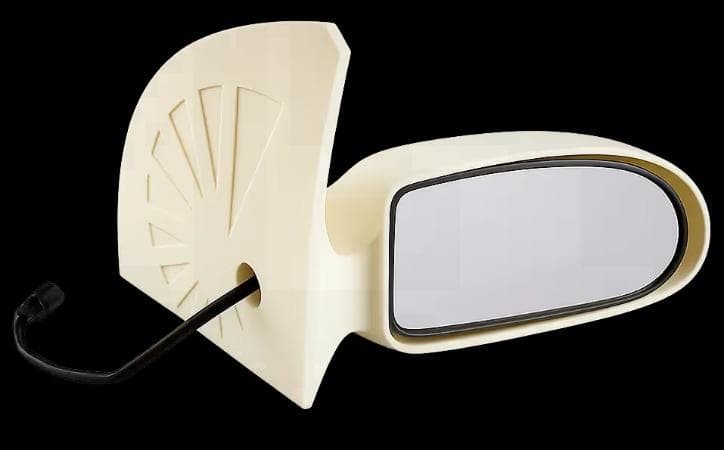
Outdoor signage, garden equipment, automotive exterior trims, marine components

ASA (Acrylonitrile Styrene Acrylate) is ABS reformulated for the outdoors. It keeps the toughness and easy finish of ABS, but replaces the butadiene rubber phase with an acrylate that resists ultraviolet radiation — so the part does not yellow, embrittle or chalk after weeks in the sun.

That makes ASA the default choice for anything that lives outdoors: signage, garden equipment, automotive exterior trim and marine components. It also runs hotter than ABS, which is exactly what you want on an underbonnet part sitting in summer traffic.

ASA machines and finishes much like ABS, including acetone smoothing, and it can be printed in a good range of colours. If a design has to survive sun, rain and temperature cycling, ASA is the material engineers reach for.
ASA Properties at a Glance

Heat Deflection (HDT):~95 °C — suitable for underbonnet and exterior automotive environments
UV Stability:Excellent — resists yellowing and surface degradation under prolonged sunlight
Weather Resistance:Handles rain, humidity, and temperature cycling without mechanical degradation
Surface Finish:Good — acetone-smoothable, similar to ABS

ASA Technical Specifications

Technical specifications for ASA FDM 3D printing
ProcessFDM
Density~1.07 g/cm³
Tensile Strength~45 MPa
Heat Deflection Temp.~95 °C
UV ResistanceExcellent — minimal yellowing
WeatherabilityRain, humidity, thermal cycling
Layer Height0.12 mm – 0.32 mm
FinishingSandable, paintable, acetone-smoothable

Typical Applications

  • ✓Outdoor and roadside signage
  • ✓Garden and agricultural equipment parts
  • ✓Automotive exterior trim and covers
  • ✓Marine and coastal hardware
  • ✓Enclosures for exterior electronics
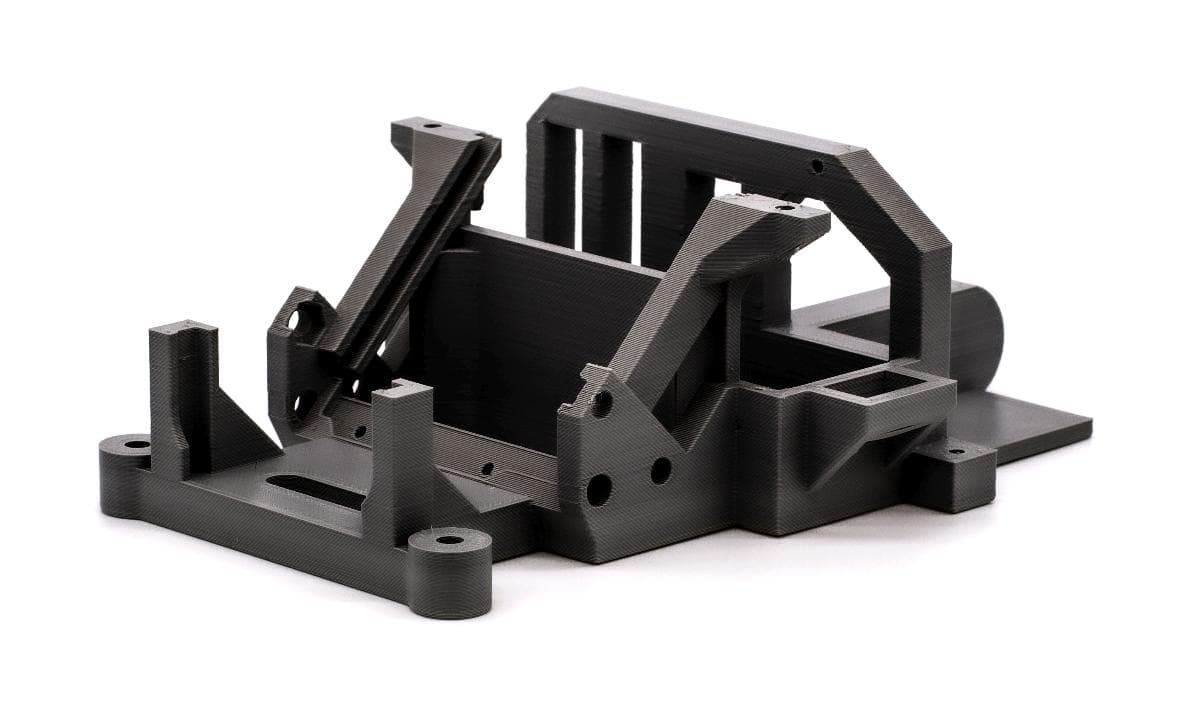
  • ✓Weather-exposed brackets and mounts

Limitations to Know

  • !Higher print temperature than ABS, so machine time is longer
  • !Still warps without an enclosed heated chamber
  • !Not as impact-resistant as polycarbonate
  • !Not ideal for continuous immersion or high-pressure fluid contact

How We Print ASA

  • Printed in an enclosed, heated chamber to control warp
  • Colour-stable grades used for parts where appearance matters outdoors
  • Available raw, sanded or acetone-smoothed

ASA 3D Printing FAQ

What is the difference between ABS and ASA?+

ABS yellows and embrittles when exposed to UV because of its butadiene rubber phase. ASA swaps that phase for an acrylate, which makes it UV-stable and weather-resistant while keeping nearly all of ABS's toughness and finish. Use ABS indoors, ASA outdoors.

Can ASA be used outdoors permanently?+

Yes. ASA is the standard 3D printing material for permanent outdoor use, handling sunlight, rain and temperature cycling without degrading. For very long exposure in full sun we recommend a light-stable colour and can add UV-resistant pigments on request.

Is ASA as strong as ABS?+

Very close — tensile and impact strength are comparable, with ASA slightly stiffer. The difference is almost entirely environmental: ASA holds its properties outdoors where ABS fades and cracks.

Does ASA warp when printing?+

Slightly more than ABS, because it needs a higher and more precisely controlled chamber temperature. We print ASA inside a sealed, actively heated chamber with an appropriate brim, and parts arrive flat and ready to assemble.

Compare with other materials

Also in Engineering FDM Materials: browse all materials

Get an instant ASA 3D printing quote

Upload your STEP or STL file and see your exact price — material, machine time and delivery included — in under two minutes.