Material Portfolio
3D Printing Materials & Specifications
Ten engineering materials across three performance tiers, plus four DLP resin classes. Each page below covers real mechanical properties, honest limitations and the applications the material actually suits — so you can pick the right one before you spend money printing the wrong thing.
Material selection at a glance
Use this table to narrow the field. Max service temperature is the single biggest constraint — it eliminates roughly half the options on its own.
| Material | Process | Max temp. | Best for | Details |
|---|---|---|---|---|
| PLA | FDM | 55 °C | Display models, prototypes, and light-duty parts | Details → |
| Wood PLA | FDM | 55 °C | Decorative items and art models | Details → |
| ABS | FDM | 90 °C | Functional enclosures, clips, consumer electronics housings, tooling aids | Details → |
| PETG | FDM | 70 °C | Mechanical parts, food-safe containers, medical housings, display cases | Details → |
| Nylon PA | FDM | 120 °C | Gears, pulleys, hinges, bushings, snap-fit assemblies, structural fixtures | Details → |
| TPU | FDM | Varies with grade | Gaskets, seals, phone cases, grips, flexible joints, orthotics, shoe soles | Details → |
| PC (Polycarbonate) | FDM | 135 °C | Safety shields, optical lenses, structural enclosures, sterilisable components | Details → |
| ASA | FDM | 95 °C | Outdoor signage, garden equipment, automotive exterior trims, marine components | Details → |
| Carbon Fibre-Reinforced (CFRP) | FDM | 120 – 140 °C depending on grade | Drone frames, motorsport brackets, structural jigs, lightweight robotics components | Details → |
| ESD-Safe Materials | FDM | 90 – 110 °C depending on grade | PCB trays, IC handlers, wafer carriers, semiconductor tooling, assembly jigs | Details → |
DLP resin classes
Where FDM extrudes filament, DLP cures an entire layer of liquid resin at once. That is why resin parts hold ±0.05 mm with no visible layer lines — and why they cost more and take longer to post-process.
Standard Resin
High detail and a smooth finish for prototypes, display models and visual parts.
Tough Resin
Impact and flex resistance for functional parts that still need resin-level detail.
Flexible Resin
Rubber-like parts with fine detail — seals, grips, prosthetics and wearables.
Castable Resin
Burns out cleanly for lost-wax investment casting in metal.
Not sure which process your part needs? Read the full FDM vs DLP comparison or use our material selection guide.
Standard FDM Materials
Reliable, cost-effective thermoplastics for prototypes, visual models and light-duty parts. The fastest route from a CAD file to a physical sample.
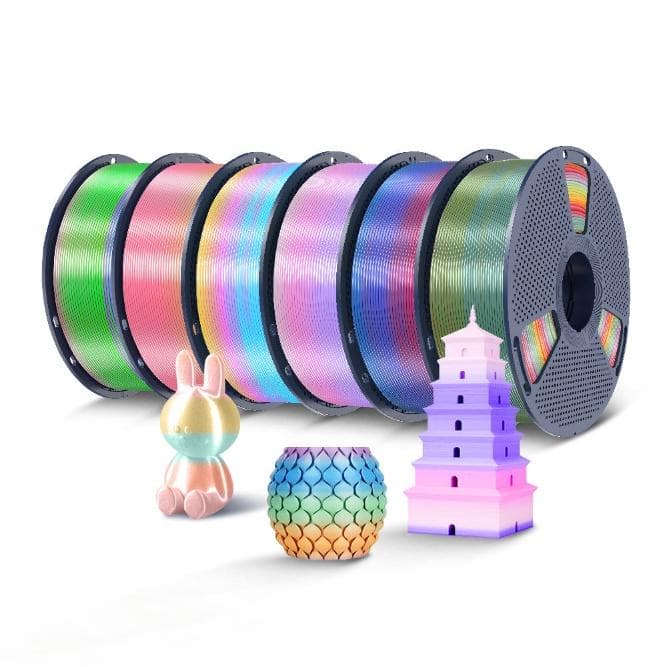
PLA
General-purpose, eco-friendly, widest colour range available.
Best for: Display models, prototypes, and light-duty parts
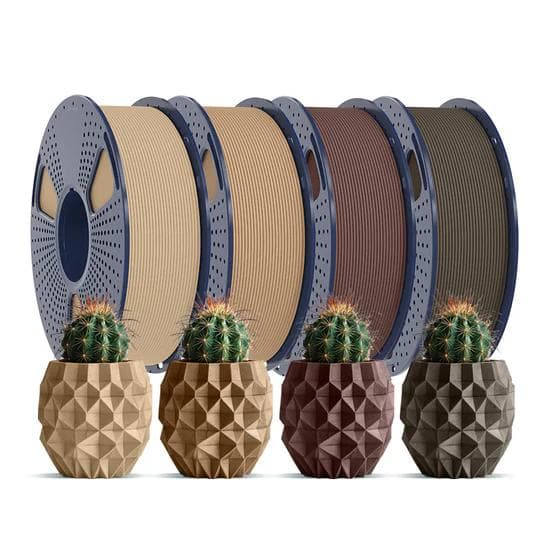
Wood PLA
PLA blended with real wood fibres — sandable, stainable, and paintable like natural wood.
Best for: Decorative items and art models
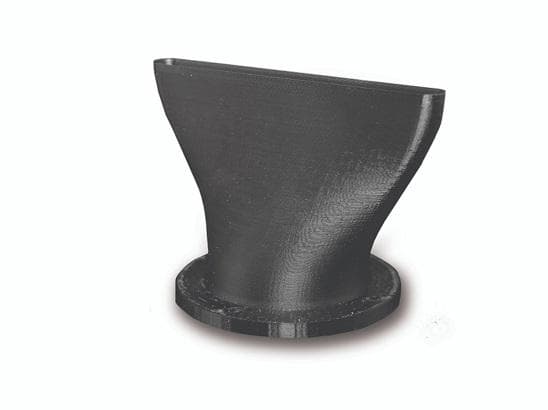
ABS
Tough, machinable, and acetone-smoothable — a proven engineering classic.
Best for: Functional enclosures, clips, consumer electronics housings, tooling aids
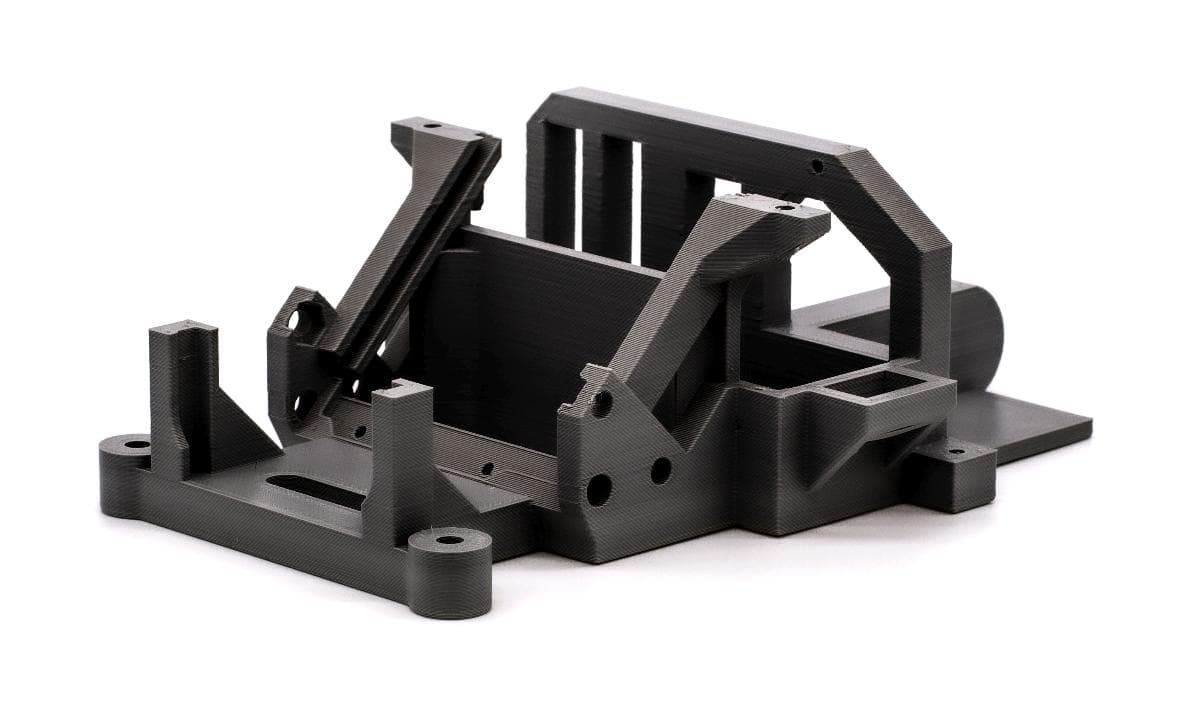
PETG
Balanced all-rounder — easy to print, chemical-resistant, and food-contact safe.
Best for: Mechanical parts, food-safe containers, medical housings, display cases
Engineering FDM Materials
High-performance polymers for functional parts that need toughness, heat resistance or flexibility. Load-bearing and wear applications.
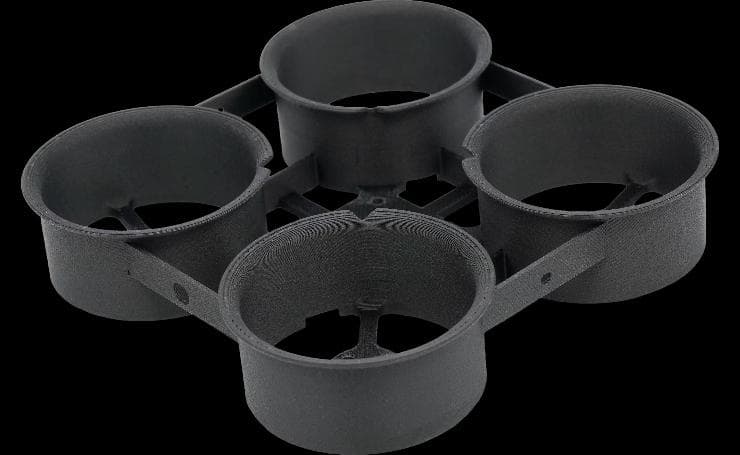
Nylon PA
High-fatigue, self-lubricating — the go-to for gears and moving parts.
Best for: Gears, pulleys, hinges, bushings, snap-fit assemblies, structural fixtures
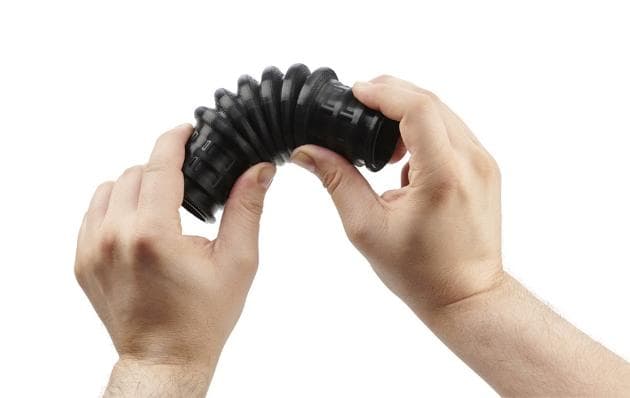
TPU
Rubber-like flexibility with print precision — for seals, grips, and wearables.
Best for: Gaskets, seals, phone cases, grips, flexible joints, orthotics, shoe soles
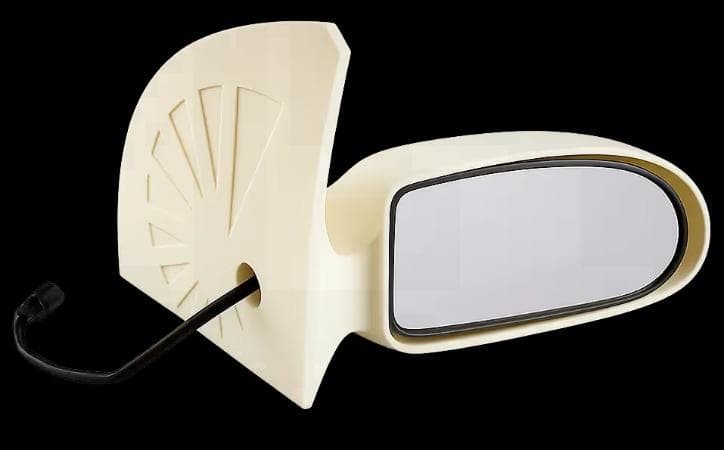
PC (Polycarbonate)
Maximum impact strength and optical clarity — for demanding structural applications.
Best for: Safety shields, optical lenses, structural enclosures, sterilisable components
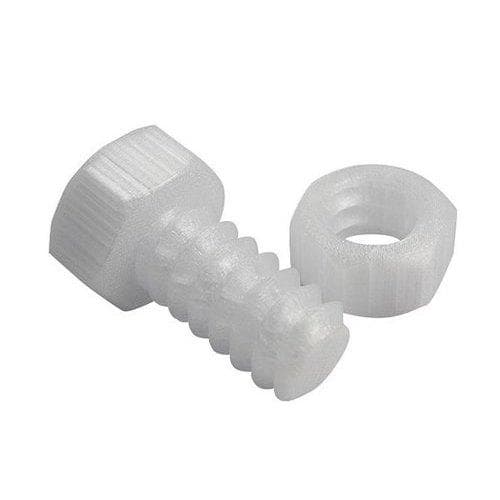
ASA
All-weather ABS alternative — UV-stable for outdoor and automotive applications.
Best for: Outdoor signage, garden equipment, automotive exterior trims, marine components
Advanced Engineering FDM Materials
Composite and specialty alloys for the toughest jobs — aerospace-style stiffness-to-weight ratios and static-safe electronics tooling.
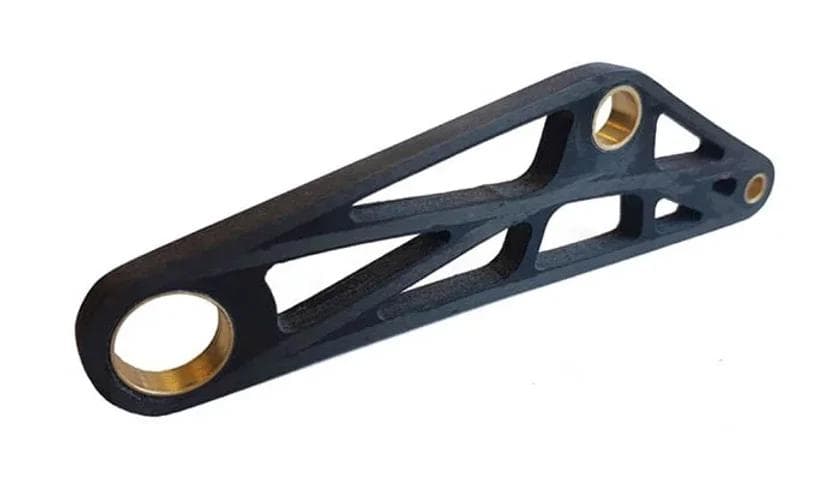
Carbon Fibre-Reinforced (CFRP)
Aerospace-grade stiffness at minimal weight — where strength-to-weight ratio is critical.
Best for: Drone frames, motorsport brackets, structural jigs, lightweight robotics components
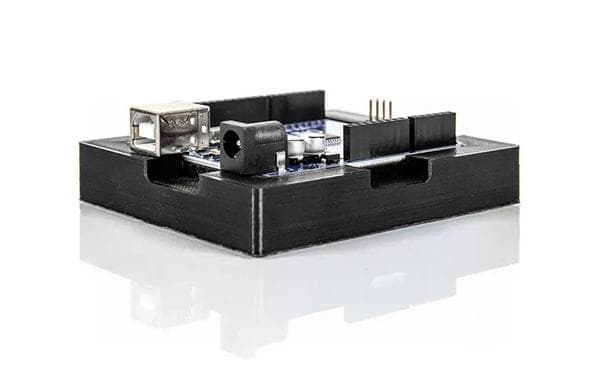
ESD-Safe Materials
Dissipates static charge safely — the only choice for electronics assembly tooling.
Best for: PCB trays, IC handlers, wafer carriers, semiconductor tooling, assembly jigs
Material questions, answered
Which 3D printing material should I use?+
Start with temperature, then function. PLA for cosmetic and indoor prototypes, PETG for general-purpose functional parts, ASA for outdoor and UV exposure, nylon for moving and wear parts, TPU for seals and grips, polycarbonate for maximum impact and heat resistance, carbon fibre composite for stiffness-to-weight, and ESD-safe materials for electronics handling.
How many materials do you stock?+
Ten FDM materials across three tiers: standard (PLA, Wood PLA, ABS, PETG), engineering (Nylon PA, TPU, Polycarbonate, ASA) and advanced (carbon fibre reinforced composite, ESD-safe). We also offer four DLP resin classes — standard, tough, flexible and castable — for fine-detail parts.
Can I get materials in a specific colour?+
Yes, for most materials. Colour availability depends on the material and is shown during configuration — PLA has the widest range with over 20 stock colours. ESD-safe materials are necessarily matte black because the conductive additive that provides ESD protection is black by nature.
Are your materials food safe?+
Food-contact grades of PETG and nylon are available for parts that will touch food, drinks or medical surfaces. Flag the application in your order notes so we assign the correct grade explicitly rather than relying on a general-purpose spool.
Do you ship raw materials or finished printed parts?+
Finished printed parts only. We are a contract 3D printing service, so every page here describes a material you can have your own CAD file printed in — not filament we sell by the spool.
More questions? Read the full Yug3DAI FAQ.
Found your material?
Upload your CAD file, select your material and get an accurate quote in under two minutes.
Material property figures are typical published values for the grades we print and are supplied for engineering guidance. Critical applications should be validated against your own test prints. Questions? Email info@yug3dai.com.