PC (Polycarbonate) 3D Printing

PC (Polycarbonate) 3D Printing Service

Maximum impact strength and optical clarity — for demanding structural applications.

FDM Process±0.2 mm toleranceLayer height 0.1 – 0.32 mm~135 °C

Best for

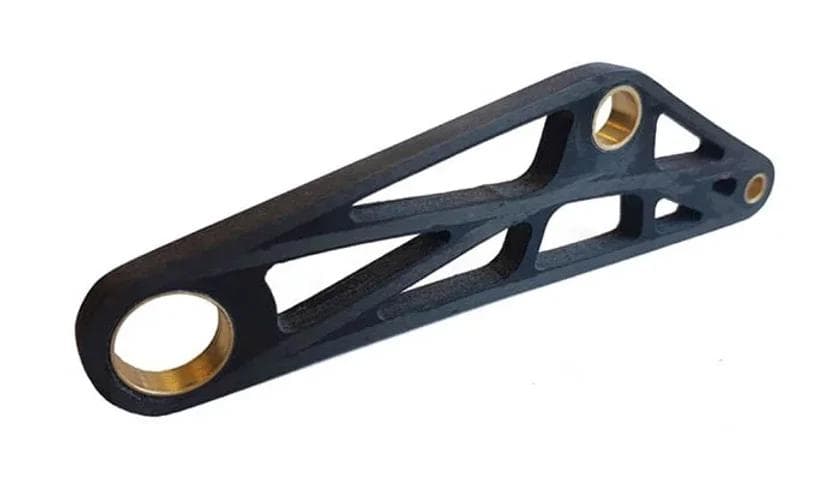
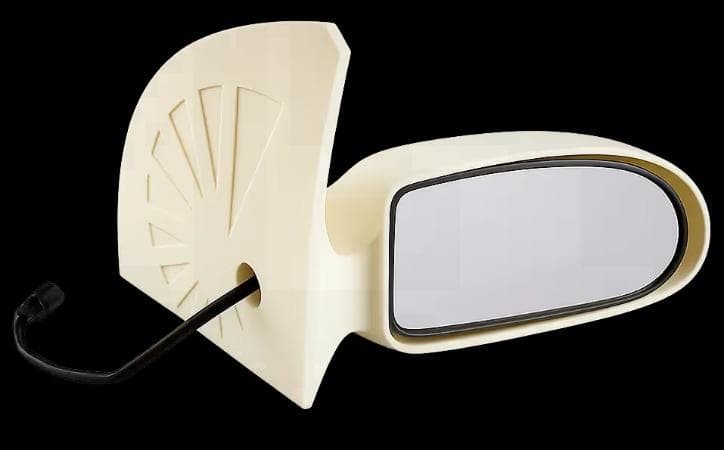
Safety shields, optical lenses, structural enclosures, sterilisable components

Polycarbonate is the strongest, toughest and most heat-resistant material in the standard FDM range. It has the highest impact strength of any commodity 3D printing filament — a well-designed PC part will bend and absorb a hard strike rather than crack.

It also handles heat exceptionally well, staying rigid to around 135 °C. That combination of strength, impact resistance and heat resistance is why polycarbonate is specified for safety shields, equipment guards, helmets and structural housings.

Transparent polycarbonate grades transmit light well, which makes them the practical choice for machine guards, inspection windows and optical parts where you need visibility. DLP resin is an alternative when you need finer detail or true optical clarity.
PC (Polycarbonate) Properties at a Glance

Heat Deflection (HDT):~135 °C — highest heat resistance of standard FDM engineering materials
Impact Resistance:Exceptional — the highest of any standard FDM material; virtually unbreakable
Optical Clarity:Available in transparent grade — high light transmission for display and optical parts
Dimensional Stability:Maintains tight tolerances across a wide temperature range

PC (Polycarbonate) Technical Specifications

Technical specifications for PC (Polycarbonate) FDM 3D printing
ProcessFDM
Density~1.20 g/cm³
Tensile Strength~60 MPa
Impact StrengthVery high — Izod rated
Heat Deflection Temp.~135 °C
Optical GradesTransparent, tinted
Print TemperatureHigh — 260 °C+ extrusion required
DryingEssential before printing

Typical Applications

  • ✓Machine guards and safety shields
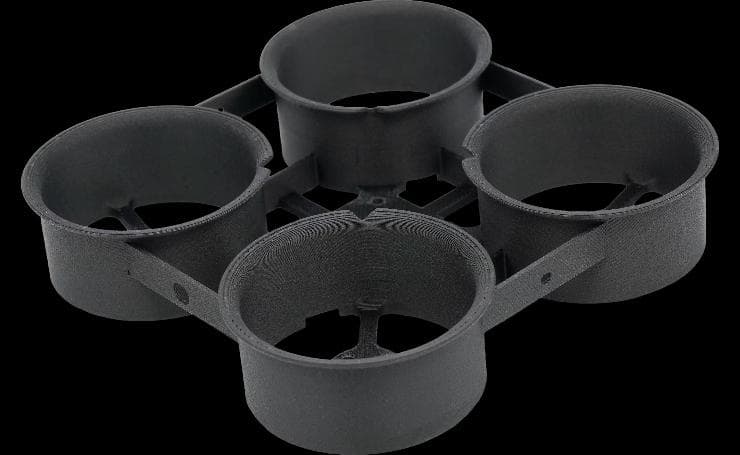
  • ✓Equipment and structural housings
  • ✓Lighting and lamp lenses
  • ✓High-temperature brackets and fixtures
  • ✓Underbonnet and engine-bay components
  • ✓Transparent display prototypes

Limitations to Know

  • !Highest print temperature of any FDM material, so machine time and cost are higher
  • !Warps badly without a fully enclosed, heated chamber
  • !Must be dried thoroughly or it prints cloudy and weak
  • !Not easily acetone-smoothed

How We Print PC (Polycarbonate)

  • Printed in a sealed, 100 °C+ chamber with a hardened nozzle and an all-metal hotend
  • Filament is dried immediately before every job
  • Longer build times are reflected accurately in your quote

PC (Polycarbonate) 3D Printing FAQ

Is polycarbonate stronger than ABS?+

Substantially, yes. PC has around 50% more impact strength than ABS, roughly 50% more tensile strength, and a heat deflection temperature about 45 °C higher. If ABS is borderline for your part, PC will usually pass where ABS fails.

Can you print clear polycarbonate parts?+

Yes, transparent PC grades are available and give good light transmission for guards, windows and lamp lenses. For finer optical detail or perfectly smooth surfaces, DLP resin is a better option — ask us for a resin quote.

Why does polycarbonate warp so much?+

PC needs very high extrusion temperatures and shrinks substantially as it cools. Without a fully enclosed chamber heated well above the glass transition point, large prints lift at the corners and split layers. All our PC prints run in a sealed high-temperature chamber for this reason.

Is polycarbonate heat resistant enough for my application?+

Polycarbonate holds its rigidity to around 135 °C under standard load. If your part sees sustained temperatures above that, carbon-fibre reinforced nylon or ASA are better choices — tell us your operating temperature in the quote notes.

Compare with other materials

Also in Engineering FDM Materials: browse all materials

Get an instant PC (Polycarbonate) 3D printing quote

Upload your STEP or STL file and see your exact price — material, machine time and delivery included — in under two minutes.